Natalie Dunham
Counts Everything
by Lydia Peabody
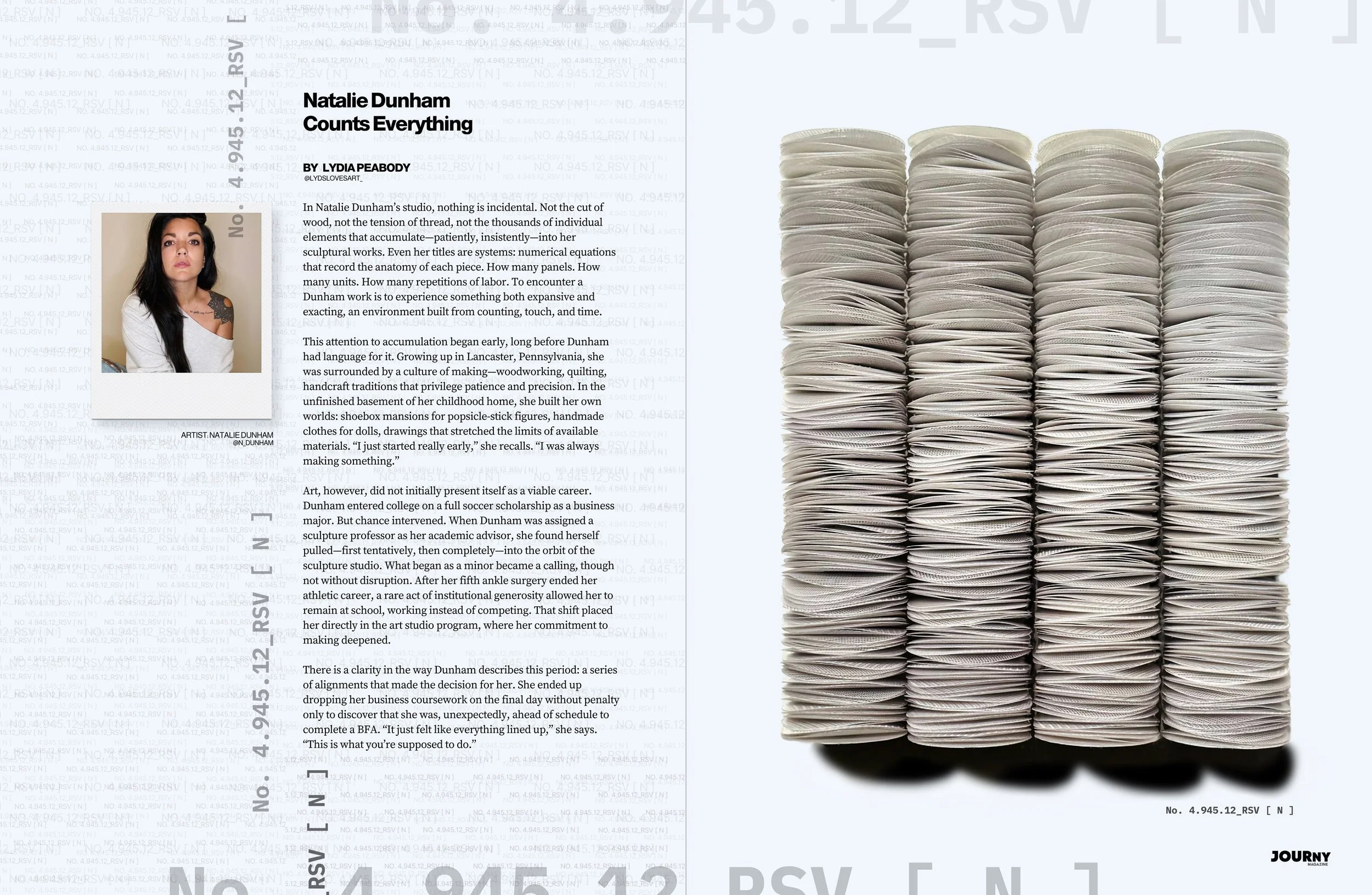
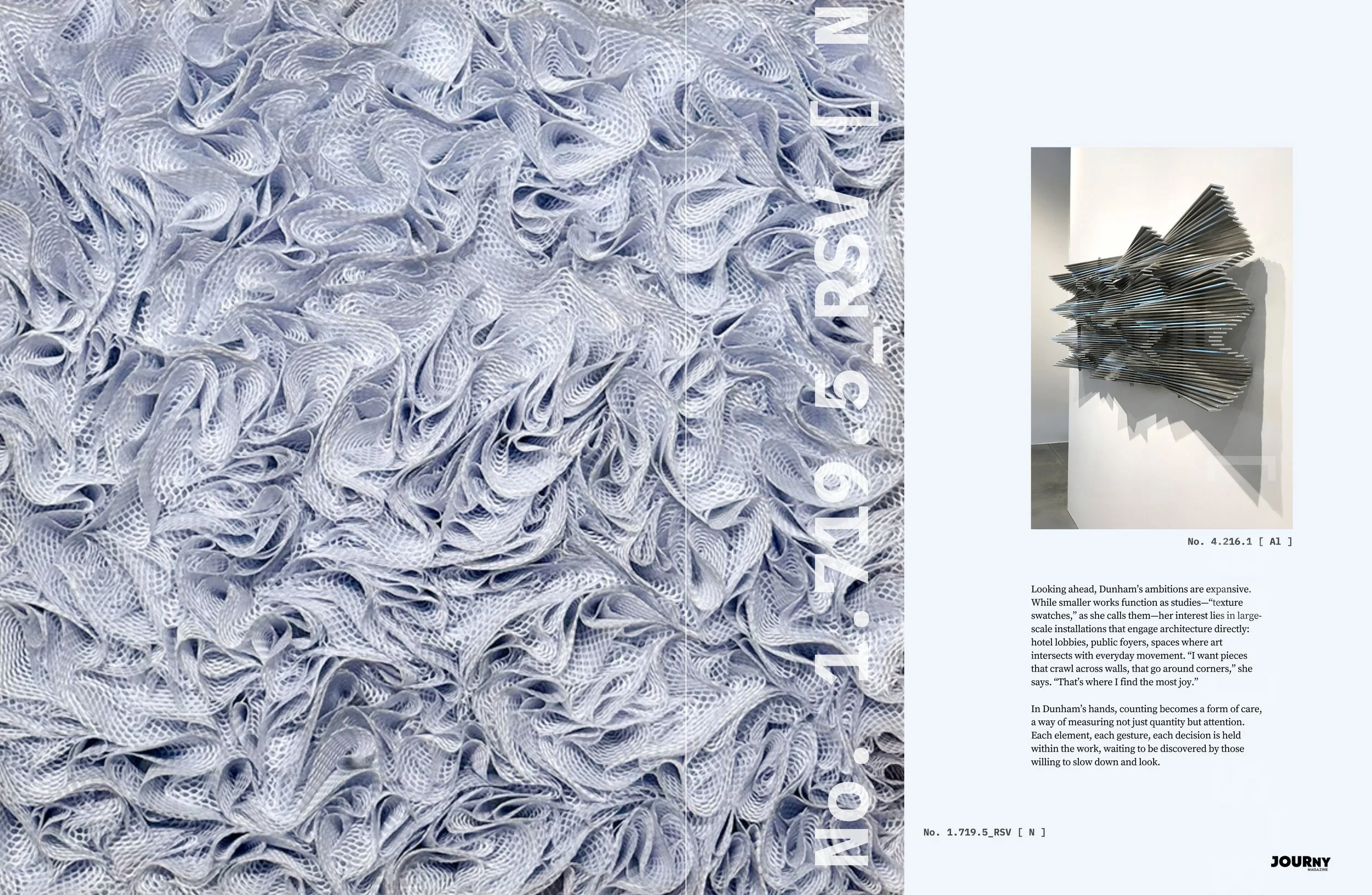
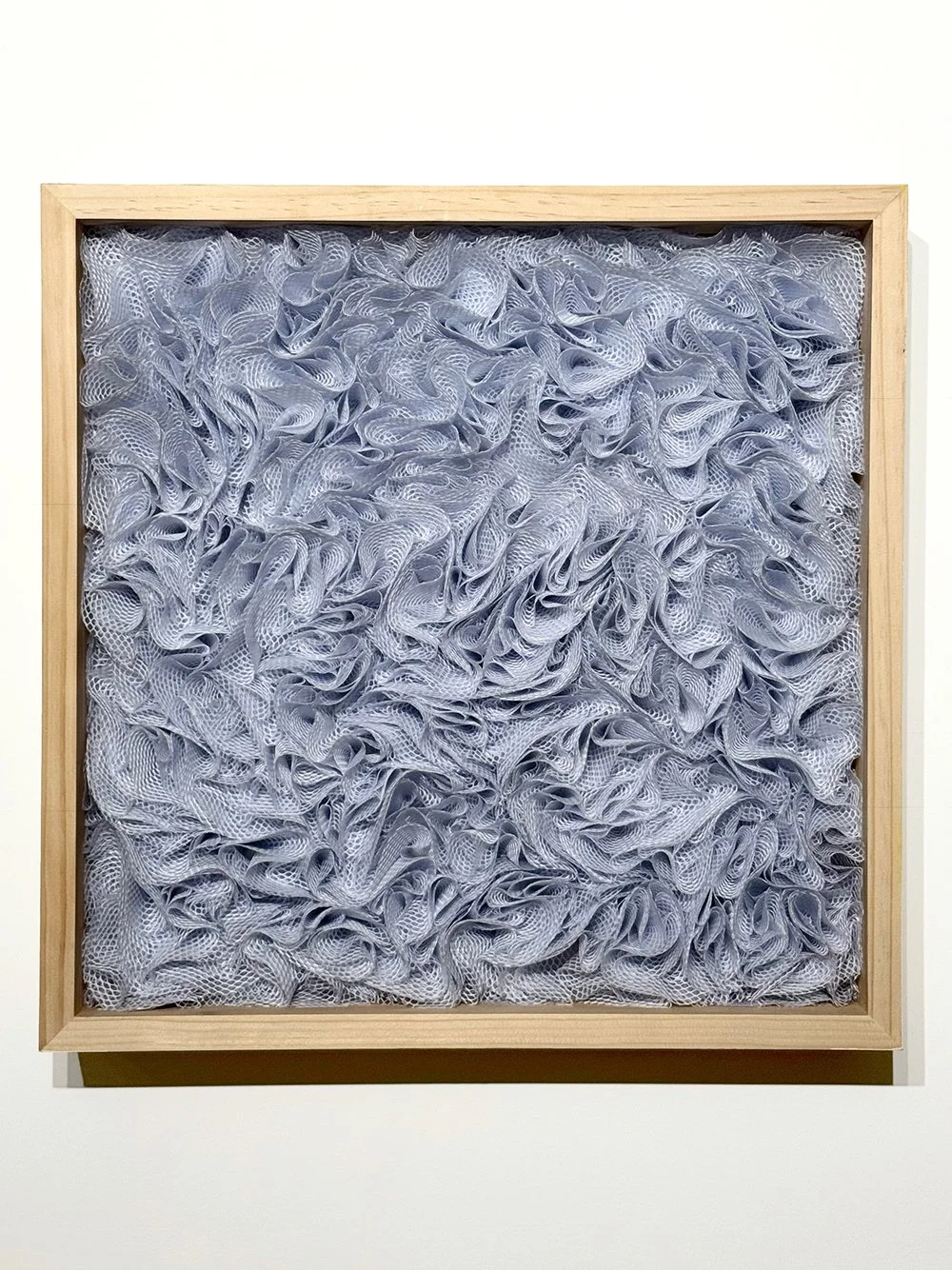
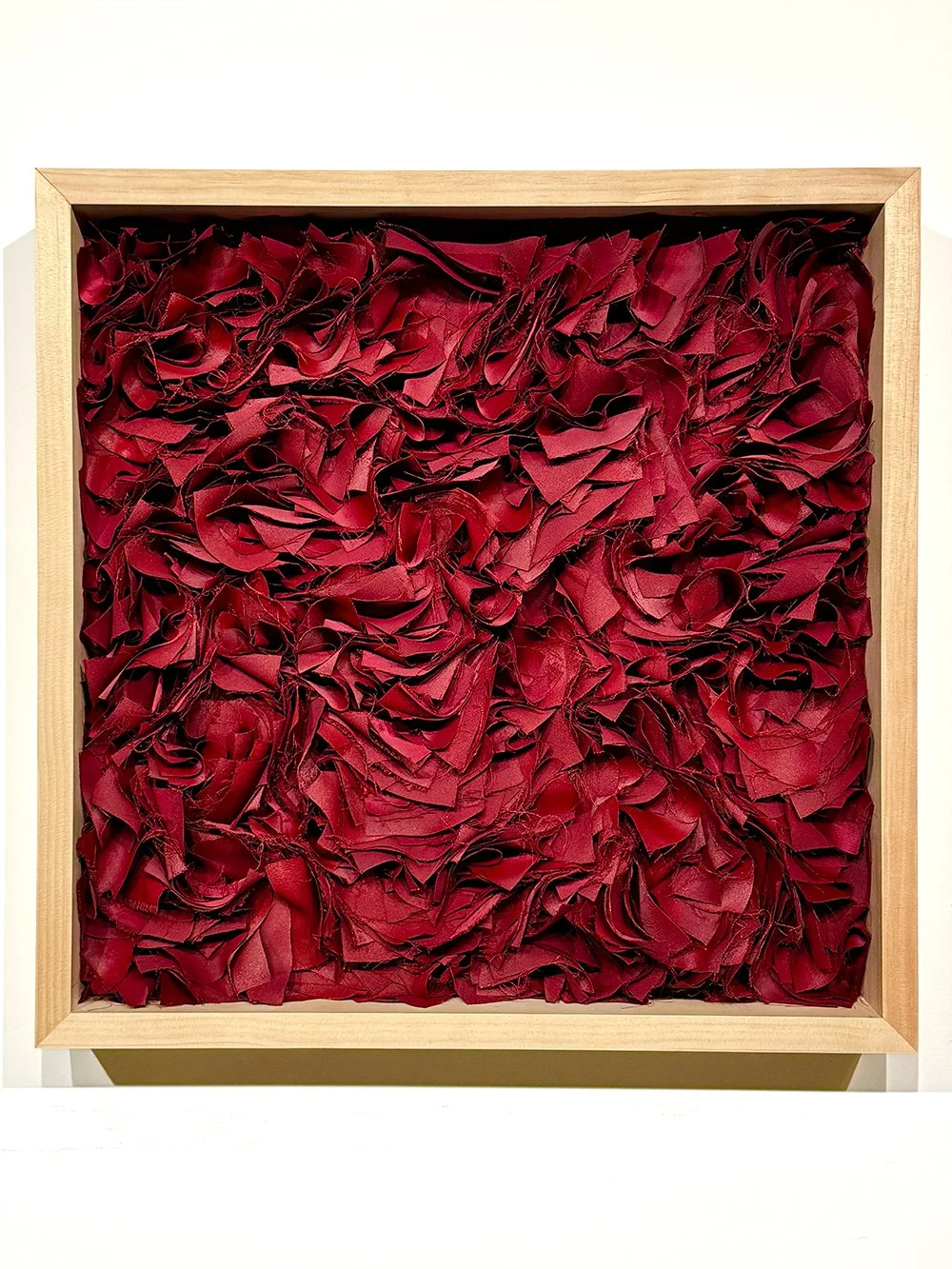
In Natalie Dunham’s studio, nothing is incidental. Not the cut of wood, not the tension of thread, not the thousands of individual elements that accumulate—patiently, insistently—into her sculptural works. Even her titles are systems: numerical equations that record the anatomy of each piece. How many panels. How many units. How many repetitions of labor. To encounter a Dunham work is to experience something both expansive and exacting, an environment built from counting, touch, and time.
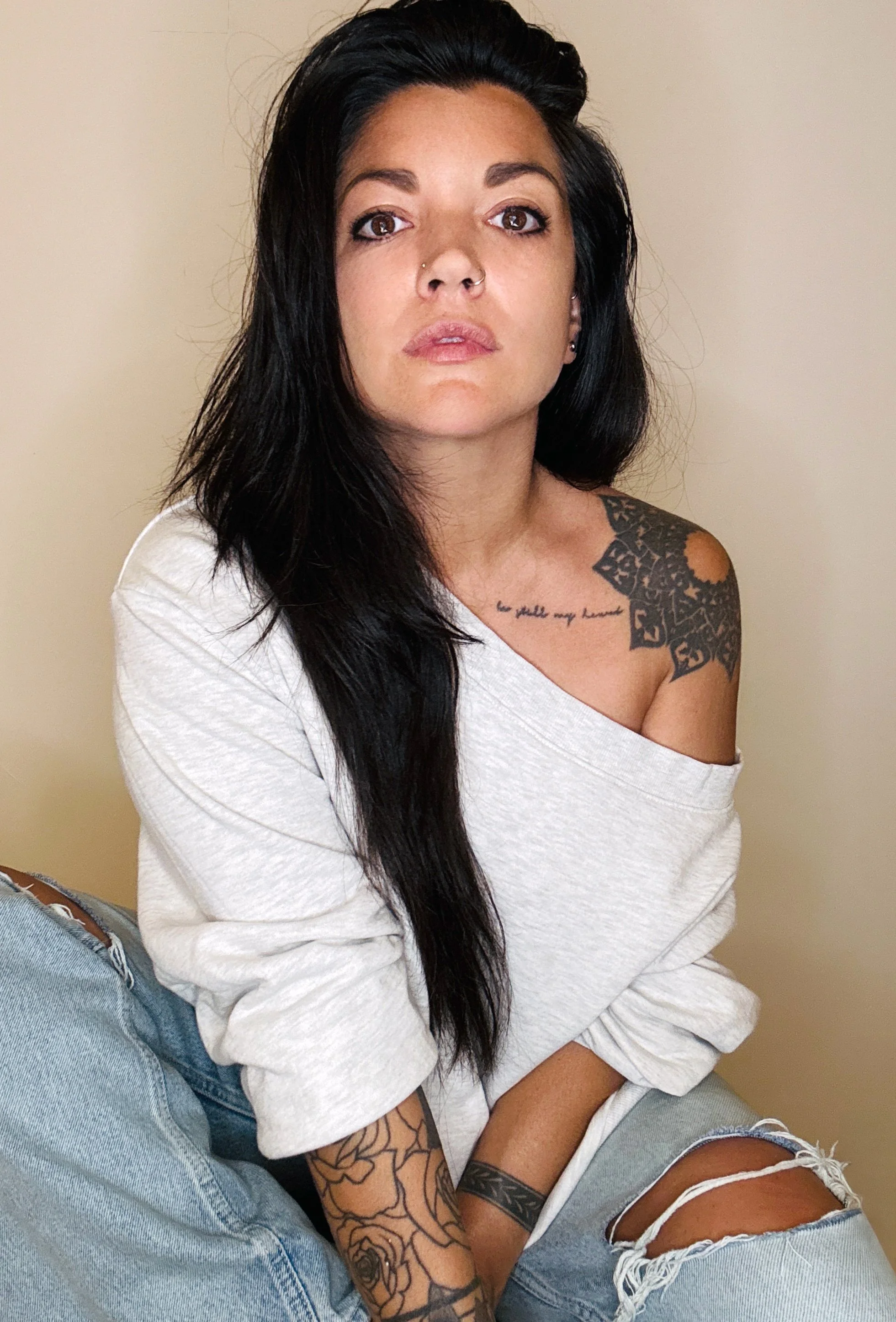
This attention to accumulation began early, long before Dunham had language for it. Growing up in Lancaster, Pennsylvania, she was surrounded by a culture of making—woodworking, quilting, handcraft traditions that privilege patience and precision. In the unfinished basement of her childhood home, she built her own worlds: shoebox mansions for popsicle-stick figures, handmade clothes for dolls, drawings that stretched the limits of available materials. “I just started really early,” she recalls. “I was always making something.”
Art, however, did not initially present itself as a viable career. Dunham entered college on a full soccer scholarship as a business major. But chance intervened. When Dunham was assigned a sculpture professor as her academic advisor, she found herself pulled—first tentatively, then completely—into the orbit of the sculpture studio. What began as a minor became a calling, though not without disruption. After her fifth ankle surgery ended her athletic career, a rare act of institutional generosity allowed her to remain at school, working instead of competing. That shift placed her directly in the art studio program, where her commitment to making deepened.
There is a clarity in the way Dunham describes this period: a series of alignments that made the decision for her. She ended up dropping her business coursework on the final day without penalty only to discover that she was, unexpectedly, ahead of schedule to complete a BFA. “It just felt like everything lined up,” she says. “This is what you’re supposed to do.”
“I love material. I love texture. And I love walking around things, or building things people can move through.”
Though her BFA degree is in painting, sculpture quickly overtook her practice. “I realized I was more drawn to building the stretchers than I was to painting on them,” she says, laughing. The physicality of materials—their resistance, their possibilities—became central. Wood, in particular, held a lasting resonance, tied to the craftsmanship she had admired in Pennsylvania. “I love material. I love texture,” she says. “And I love walking around things, or building things people can move through.”
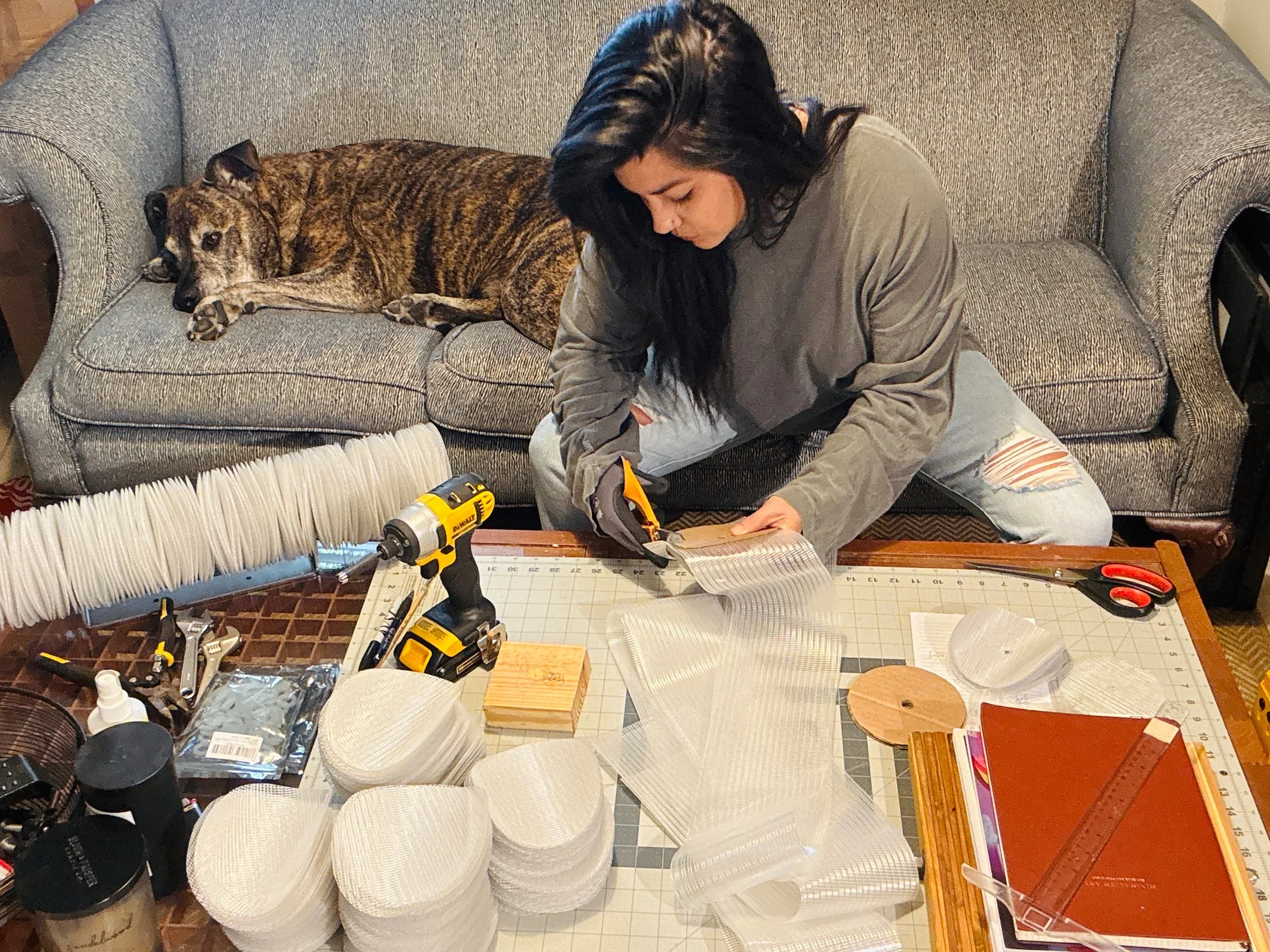
That emphasis on embodiment extends beyond the finished work into the process itself. Dunham’s practice oscillates between large, sweeping gestures—cutting, sanding, assembling—and minute, repetitive actions: sewing, knotting, threading, counting. Some works require hundreds, even thousands of individual components. A recent small-scale piece incorporates 48,489 broom bristles; another demanded the cutting of 945 circles from thick vinyl. The labor is intensive, often physically taxing. Hands blister, wrists strain, muscles fatigue. And yet, for Dunham, this is precisely the point.
“We’re in this time of instant gratification,” she says. “I need that slowness. I need that to balance out the anxiety of the world right now.” The repetition becomes meditative, a counter-rhythm to speed. Each unit added is both progress and pause, a way of inhabiting time rather than rushing through it.
Material choice emerges from a similar interplay of intuition and constraint. Dunham frequently works with repurposed or found materials—fabric, leather, wood—drawn as much to their inherent qualities as to their availability. “Sometimes it’s a color, or a texture, or just the way something bends,” she explains. “And sometimes I’ll see a material and think, what do you want to do?” This openness allows the work to evolve organically, shaped as much by its components as by initial concept.
At the same time, her practice is deeply informed by observation. Dunham walks—constantly, deliberately—often for hours each day. Movement through space becomes a form of research: noticing patterns in architecture, the curve of a landscape, the way light catches on a surface. These impressions filter back into the studio as sketches, structural ideas, spatial propositions. “You miss things when you’re going too fast,” she says. “I like to slow down and pick up on things.”
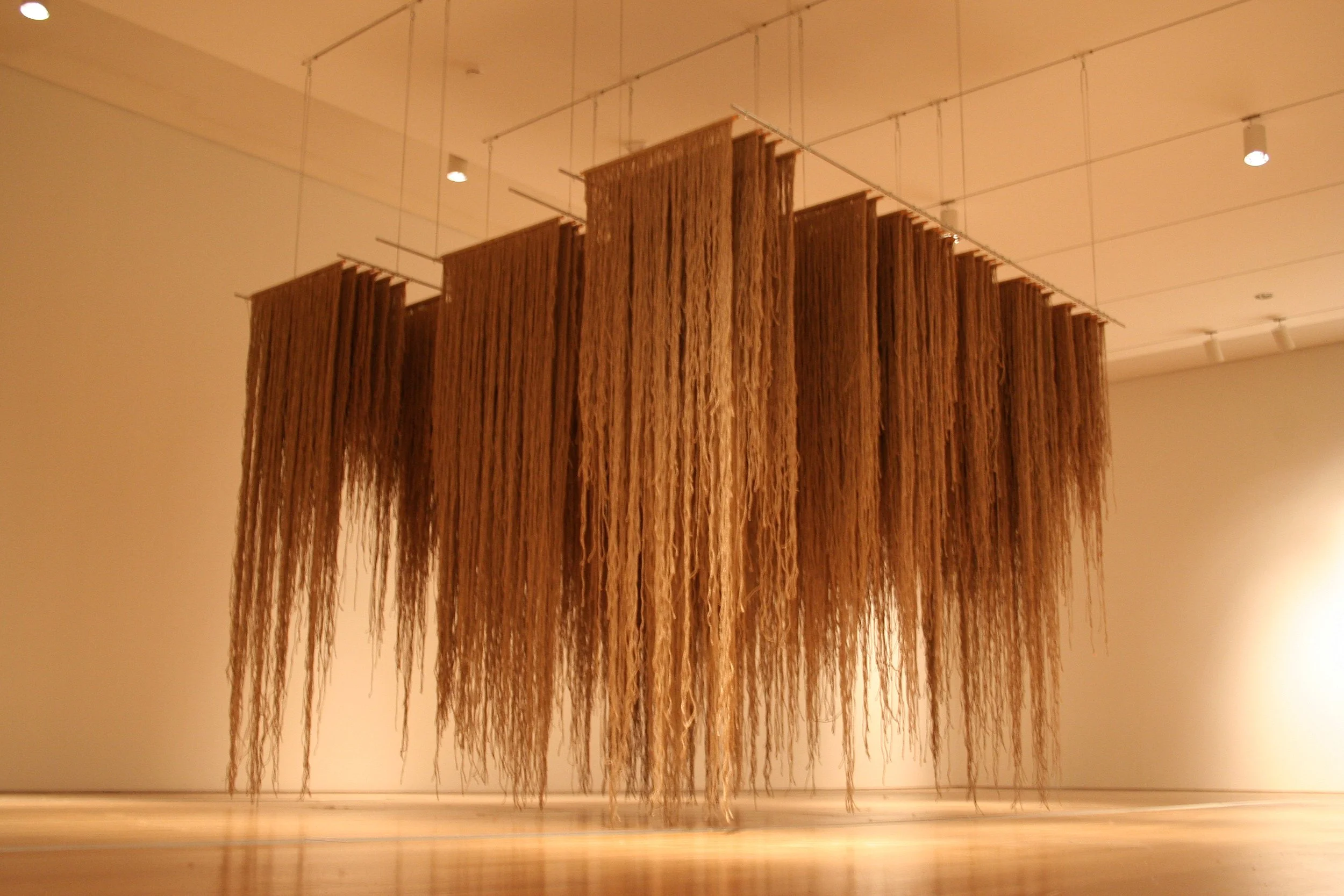
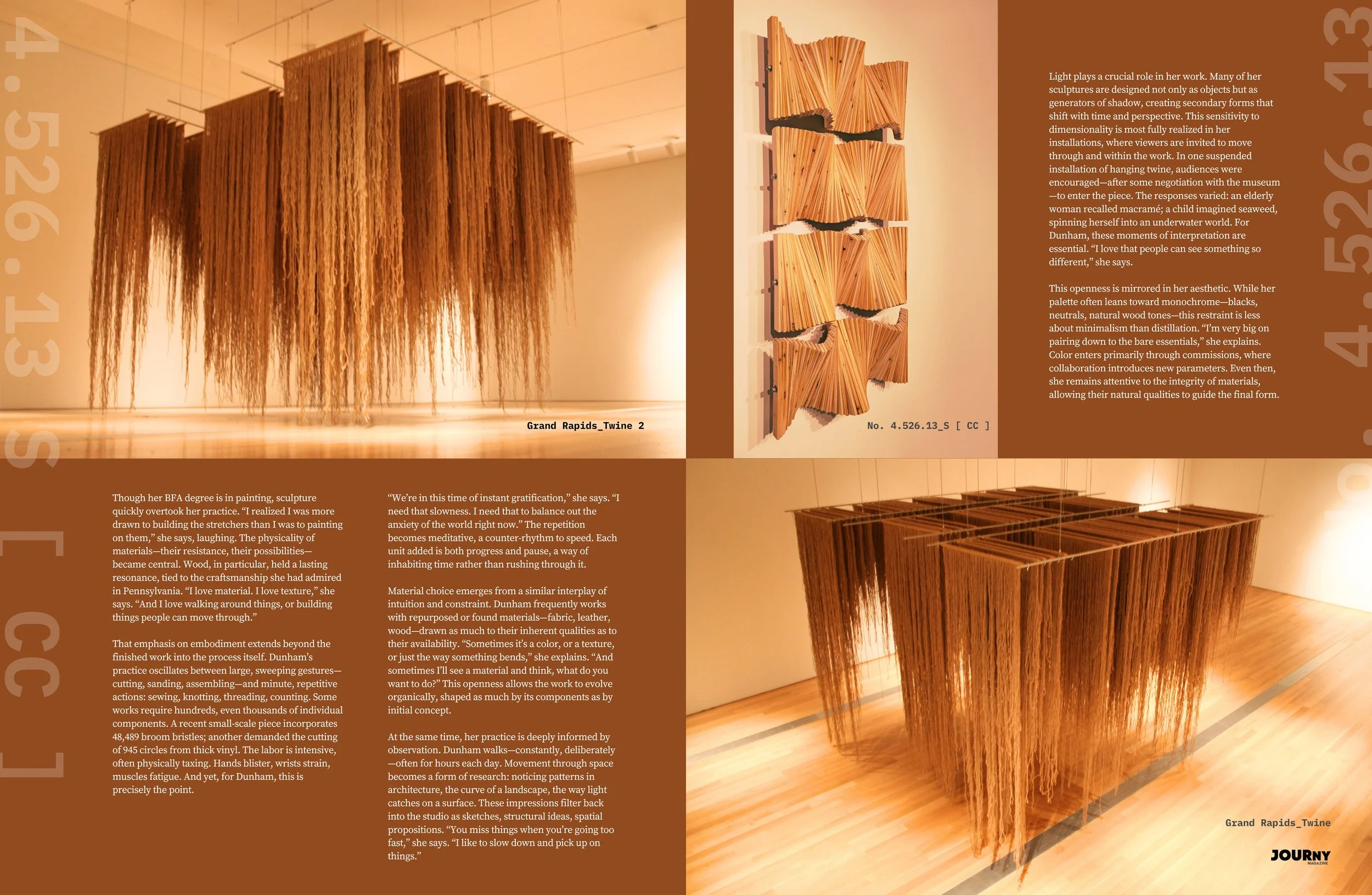
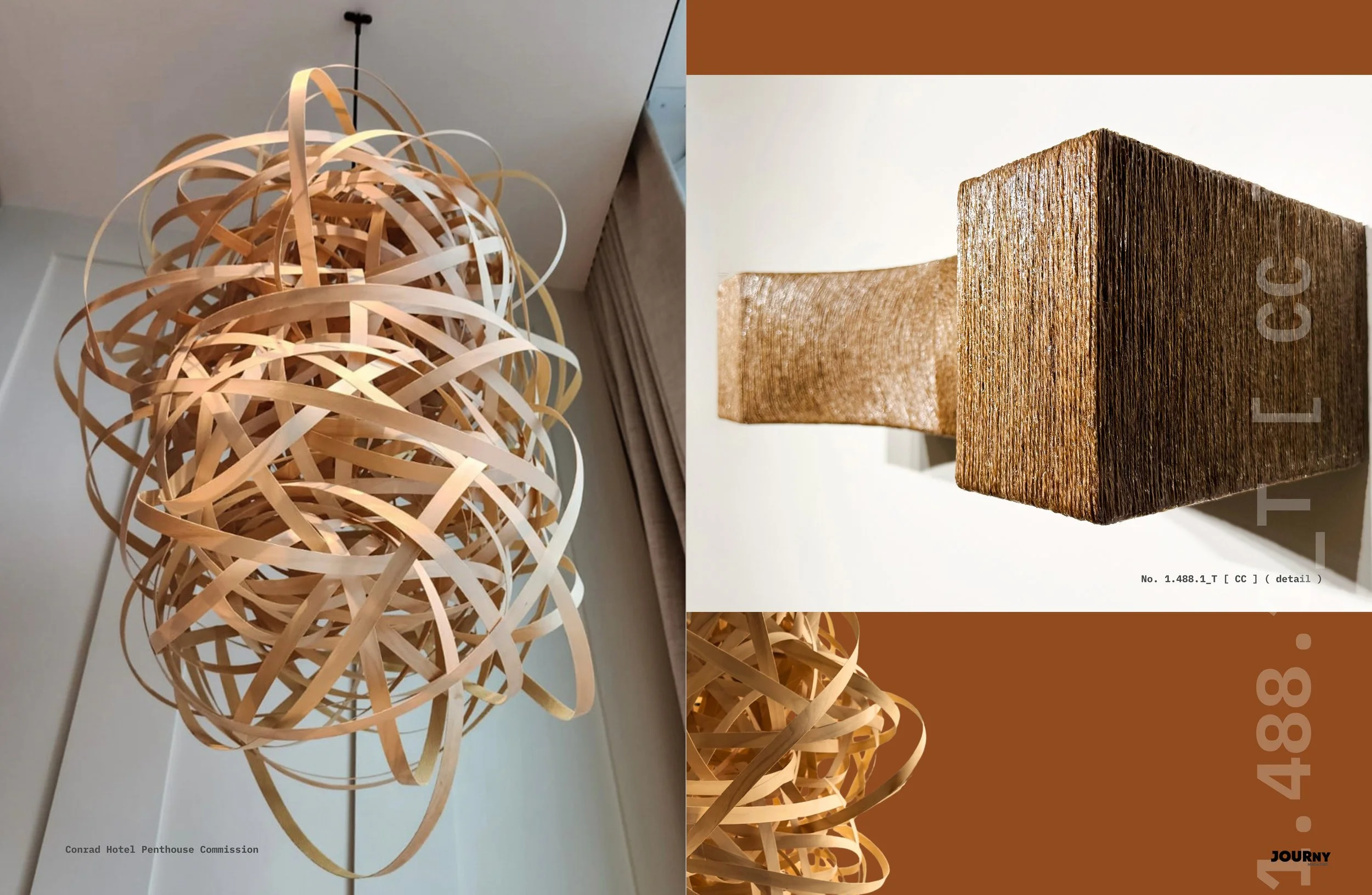
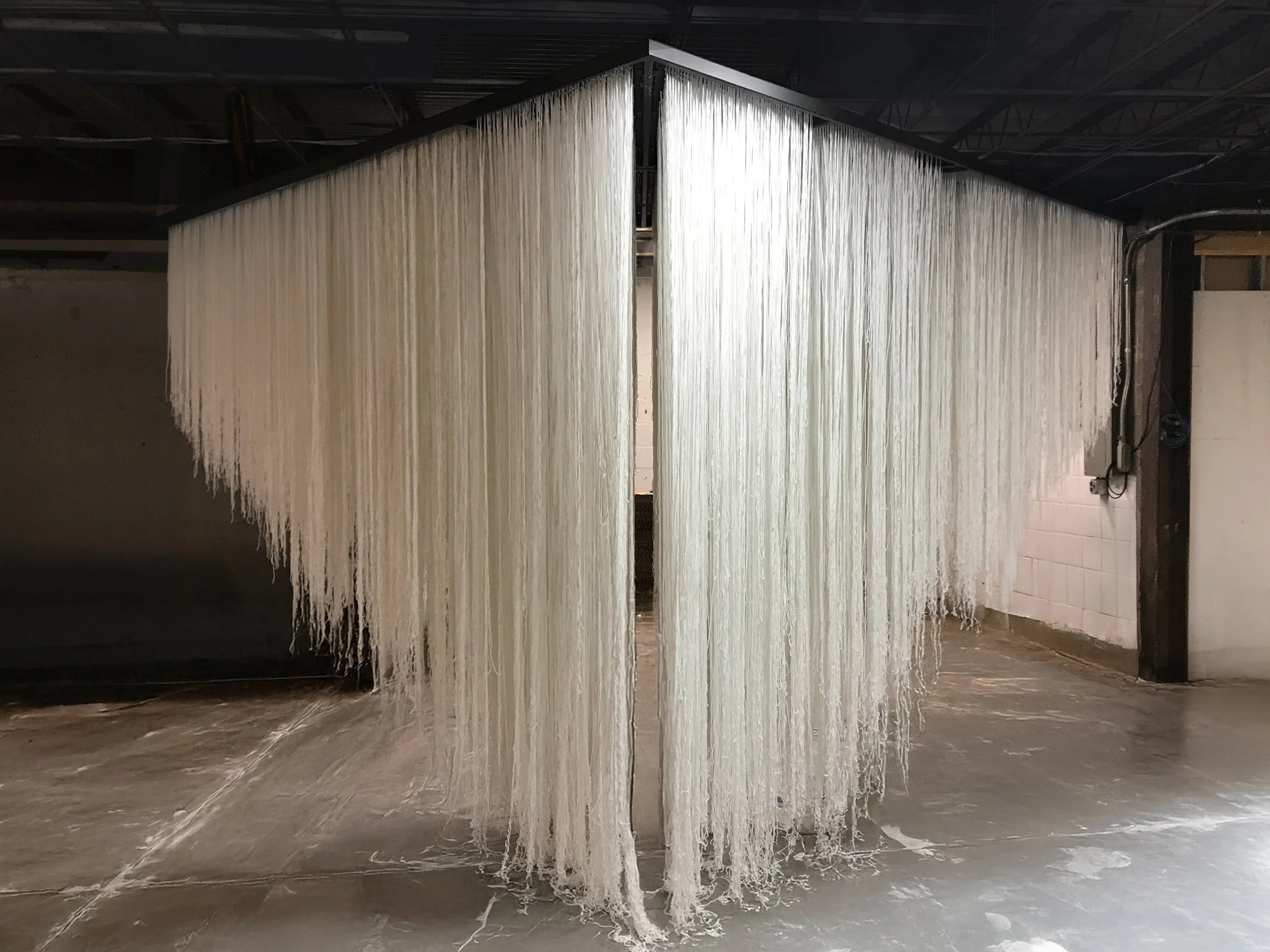
Light plays a crucial role in her work. Many of her sculptures are designed not only as objects but as generators of shadow, creating secondary forms that shift with time and perspective. This sensitivity to dimensionality is most fully realized in her installations, where viewers are invited to move through and within the work. In one suspended installation of hanging twine, audiences were encouraged—after some negotiation with the museum—to enter the piece. The responses varied: an elderly woman recalled macramé; a child imagined seaweed, spinning herself into an underwater world. For Dunham, these moments of interpretation are essential. “I love that people can see something so different,” she says.
This openness is mirrored in her aesthetic. While her palette often leans toward monochrome—blacks, neutrals, natural wood tones—this restraint is less about minimalism than distillation. “I’m very big on pairing down to the bare essentials,” she explains. Color enters primarily through commissions, where collaboration introduces new parameters. Even then, she remains attentive to the integrity of materials, allowing their natural qualities to guide the final form.
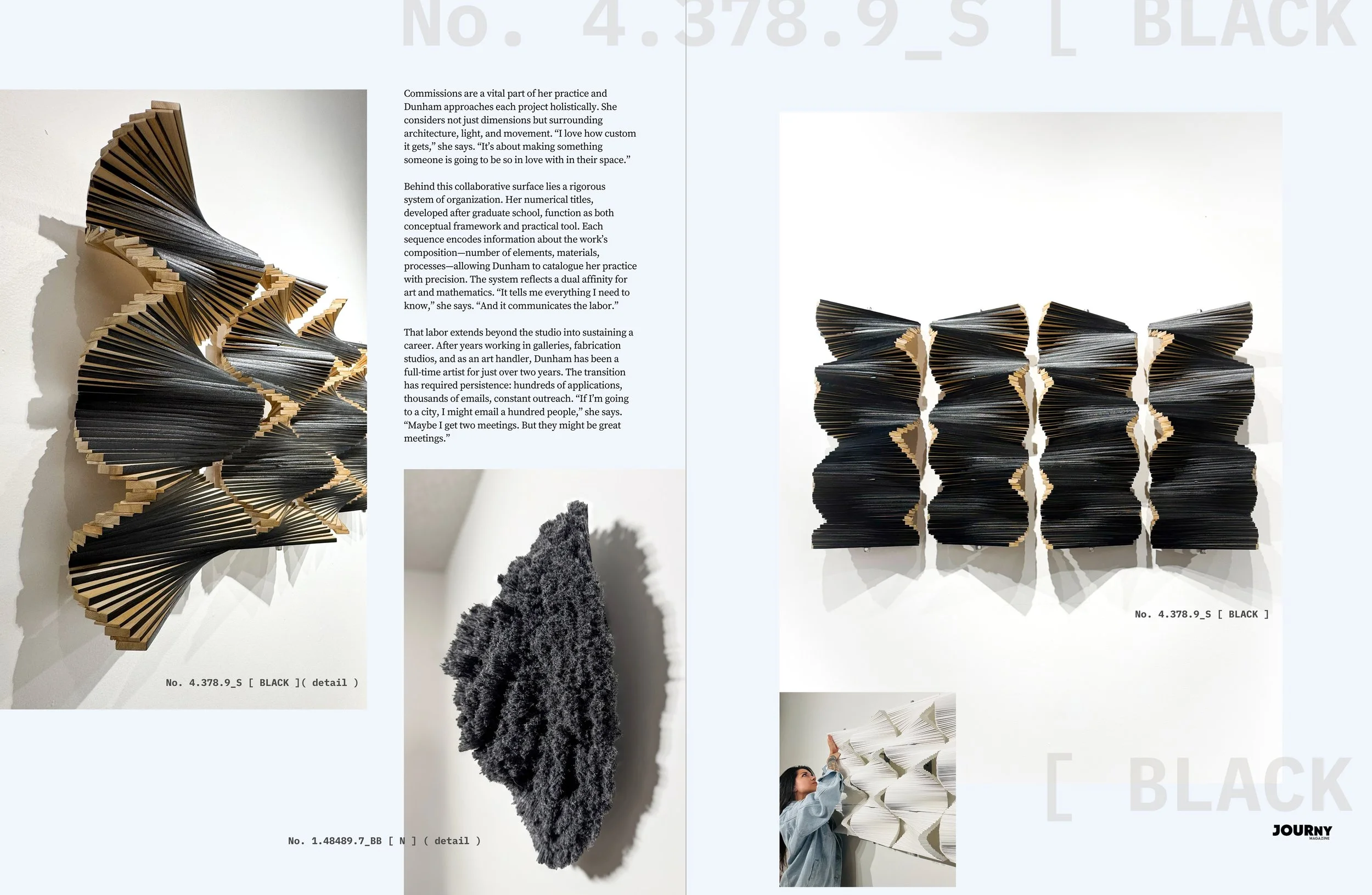
Commissions are a vital part of her practice and Dunham approaches each project holistically. She considers not just dimensions but surrounding architecture, light, and movement. “I love how custom it gets,” she says. “It’s about making something someone is going to be so in love with in their space.”
Behind this collaborative surface lies a rigorous system of organization. Her numerical titles, developed after graduate school, function as both conceptual framework and practical tool. Each sequence encodes information about the work’s composition—number of elements, materials, processes—allowing Dunham to catalogue her practice with precision. The system reflects a dual affinity for art and mathematics. “It tells me everything I need to know,” she says. “And it communicates the labor.”
That labor extends beyond the studio into sustaining a career. After years working in galleries, fabrication studios, and as an art handler, Dunham has been a full-time artist for just over two years. The transition has required persistence: hundreds of applications, thousands of emails, constant outreach. “If I’m going to a city, I might email a hundred people,” she says. “Maybe I get two meetings. But they might be great meetings.”
Looking ahead, Dunham’s ambitions are expansive. While smaller works function as studies—“texture swatches,” as she calls them—her interest lies in large-scale installations that engage architecture directly: hotel lobbies, public foyers, spaces where art intersects with everyday movement. “I want pieces that crawl across walls, that go around corners,” she says. “That’s where I find the most joy.”
In Dunham’s hands, counting becomes a form of care, a way of measuring not just quantity but attention. Each element, each gesture, each decision is held within the work, waiting to be discovered by those willing to slow down and look.
“You miss things when you’re going too fast,” she says. “I like to slow down and pick up on things.”
“It’s about making something someone is going to be so in love with in their space.”